Categories
blog page

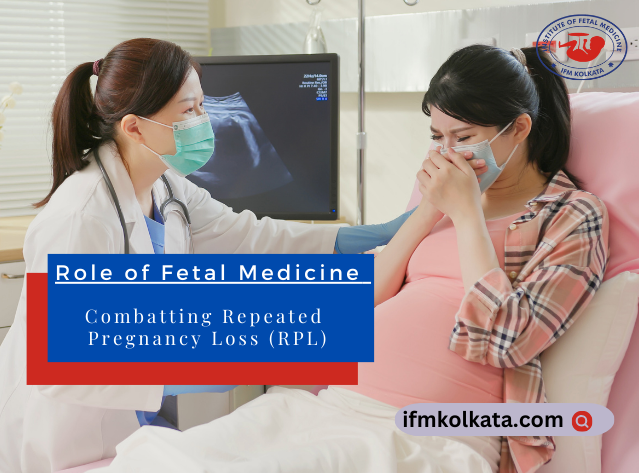
Role of Fetal Medicine in Combatting Repeated Pregnancy Loss (RPL)

Recurrent Pregnancy Loss (RPL), also known as serial miscarriage or repeated pregnancy loss, is a distressing challenge that many couples face on their journey towards parenthood. This heart-breaking phenomenon involves three or more consecutive pregnancy losses before 20 weeks of gestation. Understanding the causes and implementing effective treatments are crucial for couples dealing with RPL. Fetal Medicine, a specialized field within obstetrics, plays a pivotal role in comprehensively addressing the complexities of repeated pregnancy loss.

Understanding RPL Causes:

Repeated Pregnancy Loss can result from various factors, including genetic abnormalities, uterine abnormalities, hormonal imbalances, immune system issues, blood clotting disorders, and lifestyle factors. Identifying these underlying causes is essential for developing a targeted treatment plan and improving the chances of a successful pregnancy.

Role of Fetal Medicine in Evaluation:

Fetal medicine specialists, trained in maternal-fetal medicine, conduct thorough evaluations of both partners to pinpoint potential factors contributing to RPL. This involves genetic testing, advanced imaging studies, and a detailed assessment of medical histories to identify any predisposing conditions.

Genetic Counselling and Testing:

Genetic factors are often implicated in recurrent miscarriages. Fetal medicine specialists provide genetic counselling to assess the risk of chromosomal abnormalities and guide couples through available options for managing and preventing genetic conditions. Genetic testing can offer insights into potential hereditary factors that may impact the success of future pregnancies.

Advanced Imaging Techniques:

Utilizing advanced imaging techniques, such as high-resolution ultrasound and fetal echocardiography, fetal medicine specialists closely monitor fetal development. This helps identify any structural abnormalities or complications that may contribute to repeated pregnancy loss.

Early Detection and Intervention:

Fetal medicine specialists are equipped to detect and manage complications that may arise during pregnancy, including preeclampsia, gestational diabetes, and placental issues. Early detection allows for timely intervention and appropriate management, improving the chances of a healthy pregnancy.

Personalized Care Plans:

Collaborating with other healthcare professionals, fetal medicine specialists work with couples to develop personalized care plans. These plans take into account the specific medical history, test results, and individual circumstances of the couple. The goal is to provide comprehensive care that addresses both physical and emotional aspects, optimizing the chances of a successful pregnancy.

Fetal Medicine in Kolkata:

For couples dealing with RPL in Kolkata, accessing specialized care in fetal medicine is crucial. Fetal medicine in Kolkata offers state-of-the-art facilities and expertise to address the unique challenges of repeated pregnancy loss. Fetal medicine specialists in Kolkata work collaboratively with other healthcare providers to deliver personalized care and support throughout the journey to parenthood.

Repeated Pregnancy Loss is a challenging and emotionally taxing experience for couples longing for a successful pregnancy. Fetal Medicine emerges as a beacon of hope, offering advanced diagnostic tools, personalized care plans, and early interventions to combat the complexities of RPL. For couples in Kolkata, seeking the expertise of fetal medicine specialists is a critical step towards realizing their dream of a healthy and successful pregnancy. Through comprehensive evaluation, genetic counselling, and advanced imaging techniques, fetal medicine plays a crucial role in the multidisciplinary approach to combatting repeated pregnancy loss.

Categories
blog page

First Trimester Screening: Nuchal Translucency Scan at Institute of Fetal Medicine Kolkata

In the heart of Kolkata, the Institute of Fetal Medicine stands as a beacon of excellence in prenatal care, offering a range of advanced services to ensure the health and well-being of both mother and child. Among its specialized offerings, the Nuchal Translucency (NT) Scan takes center stage, representing a key component of comprehensive first-trimester screening.

1. NT Scan: Unravelling Early Insights

The NT Scan, also known as First Trimester Screening, is a pivotal tool in the Institute’s arsenal for early pregnancy care. It involves measuring the nuchal translucency—a fluid-filled space at the back of the baby’s neck—using high-resolution ultrasound. This non-invasive test provides early insights into potential chromosomal abnormalities, including the risk of Down syndrome.

2. First Trimester Screening Excellence:

The Institute of Fetal Medicine prides itself on its commitment to excellence in first-trimester screening. With a team of skilled sonographers and advanced ultrasound technology, the NT Scan is conducted with precision and attention to detail, ensuring accurate measurements and reliable results.

3. Fetal Nuchal Translucency Test: Early Detection, Informed Choices

Early detection is key in prenatal care, and the Fetal Nuchal Translucency Test offered by the Institute allows for just that. By identifying potential abnormalities in the early stages of pregnancy, expectant parents are empowered to make informed choices regarding their pregnancy journey.

4. Down Syndrome Screening Expertise:

The NT Scan is a cornerstone of Down Syndrome screening at the Institute. Through meticulous measurement and analysis, the Institute’s specialists provide a comprehensive assessment of the risk, offering clarity to parents and guiding them in making decisions aligned with their values and preferences.

5. Pregnancy Ultrasound Precision:

In conjunction with the NT Scan, the Institute’s pregnancy ultrasound services stand out for their precision. High-resolution imaging ensures a detailed examination of the fetus, allowing for a thorough assessment of fetal health beyond the nuchal translucency measurement.

6. High-Resolution Ultrasound: A Glimpse into Fetal Well-being:

The Institute employs high-resolution ultrasound technology to offer a clear glimpse into the fetal well-being. This advanced imaging goes beyond routine scans, providing expectant parents with a comprehensive view of the developing fetus and aiding in the early detection of any potential concerns.

7. Genetic Screening Integration: Holistic Approach to Pregnancy

Beyond the NT Scan, the Institute integrates genetic screening into its approach to prenatal care. This holistic approach ensures that expectant parents receive a comprehensive assessment, combining the insights from the NT Scan with genetic information to provide a nuanced understanding of the pregnancy.

8. Obstetric Ultrasound Excellence:

The Institute’s commitment to excellence extends to its obstetric ultrasound services. Obstetric ultrasound examinations go beyond routine check-ups, offering a detailed analysis of fetal development, anatomy, and overall well-being, providing a comprehensive picture for expectant parents.

9. Fetal Anomaly Scan: Comprehensive Assessment for Peace of Mind

A comprehensive fetal anomaly scan is part of the Institute’s suite of services, complementing the NT Scan. This thorough assessment ensures that potential anomalies are identified early on, providing peace of mind for expectant parents and facilitating appropriate medical interventions if needed.

10. Maternal-Fetal Medicine: Expert Guidance at Every Step

At the Institute of Fetal Medicine, maternal-fetal medicine specialists lead the way in providing expert guidance at every step of the pregnancy journey. Their expertise ensures that each NT Scan is conducted with a deep understanding of the unique needs of the mother and the developing fetus.

11. Prenatal Diagnostic Center: State-of-the-Art Facilities for Comprehensive Care

The Institute houses a state-of-the-art Prenatal Diagnostic Center equipped with advanced facilities. This center ensures that every aspect of first-trimester screening, including the NT Scan, is conducted in an environment that prioritizes accuracy, reliability, and patient comfort.

12. Advanced Pregnancy Screening: Paving the Way for Informed Parenthood:

The Institute of Fetal Medicine in Kolkata offers a comprehensive approach to first-trimester screening, notably through its specialization in the Nuchal Translucency (NT) Scan. This diagnostic tool plays a pivotal role in early pregnancy care by measuring the nuchal translucency—a fluid-filled space at the back of the baby’s neck—using high-resolution ultrasound.

The Institute of Fetal Medicine provides a factual and meticulous approach to first-trimester screening, emphasizing accuracy, advanced technology, and a commitment to patient well-being. Expectant parents can rely on the Institute for a thorough assessment and informed guidance throughout the early stages of their pregnancy.

Categories
blog page

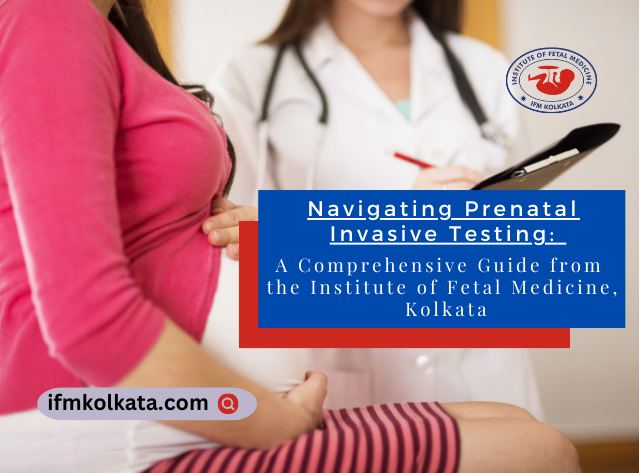
Navigating Prenatal Invasive Testing: A Comprehensive Guide from the Institute of Fetal Medicine

In the realm of prenatal care, understanding the intricacies of fetal health is paramount. Kolkata’s Institute of Fetal Medicine emerges as a leader in providing comprehensive prenatal invasive testing services. This article will delve into the array of specialized tests and diagnostic procedures offered by the Institute, emphasizing its commitment to precision, compassion, and informed decision-making.

1. Amniocentesis in Kolkata

Amniocentesis stands as a cornerstone in the Institute’s suite of services. This invasive prenatal test involves extracting a small sample of amniotic fluid to analyse fetal cells. It is a key diagnostic tool for detecting chromosomal abnormalities, genetic disorders, and neural tube defects, providing expectant parents with crucial insights into the health of their unborn child.

2. Chorionic Villus Sampling (CVS) Expertise

The Institute is at the forefront of providing Chorionic Villus Sampling, a prenatal diagnostic procedure that involves sampling placental tissue. This procedure is instrumental in early detection of genetic conditions and chromosomal abnormalities. With advanced technology and experienced specialists, the Institute ensures accuracy and reliability in CVS testing.

3. Fetal Genetic Testing Advancements

The Institute of Fetal Medicine in Kolkata is committed to staying abreast of the latest advancements in fetal genetic testing. Offering a range of genetic diagnostic tests, the Institute employs cutting-edge techniques to analyse fetal DNA, providing a detailed understanding of the genetic makeup and potential risks associated with the pregnancy.

4. Invasive Prenatal Procedures for Precision

Recognizing the need for precision in prenatal diagnostics, the Institute specializes in invasive prenatal procedures. These procedures go beyond routine screenings, offering detailed information about the fetus’s health. The Institute’s focus on precision ensures that expectant parents can make well-informed decisions based on accurate and reliable results.

5. Prenatal Chromosomal Testing Excellence

Prenatal chromosomal testing is a crucial aspect of comprehensive prenatal care. The Institute’s expertise in this area ensures that chromosomal abnormalities are identified with precision, enabling early intervention and tailored care plans for high-risk pregnancies.
6. Holistic Prenatal Genetic Counselling:
Genetic counselling is seamlessly integrated into the Institute’s prenatal care approach. Maternal-fetal medicine specialists provide holistic prenatal genetic counselling sessions, guiding expectant parents through the complexities of test results, offering emotional support, and facilitating informed decision-making.

7. Fetal Medicine Specialists in Kolkata

The Institute takes pride in its team of fetal medicine specialists who bring unparalleled expertise to every aspect of prenatal care. These specialists collaborate to offer personalized care plans, ensuring that each patient receives the highest standard of medical attention throughout the invasive testing process.

8. High-Risk Pregnancy Tests Tailored for Kolkata:

Understanding the unique challenges of high-risk pregnancies, the Institute tailors its invasive testing services to address the specific needs of these cases. Rigorous testing and monitoring protocols are in place to identify potential complications early on, allowing for proactive interventions and personalized care.

9. Maternal-Fetal Medicine Excellence:

Maternal-fetal medicine, a subspecialty that focuses on managing high-risk pregnancies, is at the core of the Institute’s services. The expertise of maternal-fetal medicine specialists ensures that each patient receives comprehensive care, combining advanced diagnostics with compassionate support.

10. Advanced Prenatal Diagnostics at Your Fingertips:

The Institute of Fetal Medicine places advanced prenatal diagnostics at the fingertips of expectant parents. Diagnostic ultrasounds for pregnancy, invasive testing for birth defects and a range of other specialized tests contribute to a comprehensive approach that prioritizes the health and well-being of both mother and child.

In Kolkata, the Institute of Fetal Medicine emerges as a beacon of excellence in the realm of prenatal invasive testing. With a commitment to precision, a focus on compassionate care, and a dedication to staying at the forefront of medical advancements, the Institute stands as a trusted partner for expectant parents navigating the complexities of fetal health diagnostics. In every test and procedure, the Institute’s mission is clear: to empower families with knowledge, foster informed decision-making, and ensure the best possible outcomes for both mother and child.

Categories
blog page

Navigating Down Syndrome Screening in Kolkata

Down Syndrome, a chromosomal condition that affects cognitive ability and physical development, requires careful consideration during pregnancy. In Kolkata, the Institute of Fetal Medicine stands as a beacon of expertise, offering a range of services dedicated to prenatal care and Down Syndrome screening.

1. Understanding Down Syndrome:

Down Syndrome, a genetic condition resulting from the presence of an extra copy of chromosome 21, manifests in distinctive physical and cognitive characteristics. The Institute of Fetal Medicine in Kolkata prioritizes patient education, offering in-depth resources and counselling sessions to ensure families have a comprehensive understanding of Down Syndrome and its potential impact on development.

2. Importance of Down Syndrome Screening:

Early identification of potential genetic abnormalities, including Down Syndrome, is crucial for timely interventions and informed decision-making. The Institute emphasizes the significance of routine Down Syndrome screening, advocating for thorough assessments like the Nuchal Translucency Scan, Triple Test, and Quad Screen Test. These screenings contribute to a holistic evaluation of the fetal health, providing valuable insights for expectant parents.

3. Cutting-Edge Technology:

The Institute integrates cutting-edge technology to enhance the precision of Down Syndrome screening. Fetal anomaly scans, conducted with advanced ultrasound technology, offer detailed imaging of the developing fetus. Additionally, non-invasive prenatal testing (NIPT) leverages molecular techniques to analyse fetal DNA in the maternal bloodstream, providing a high level of accuracy in detecting chromosomal abnormalities.

4. Genetic Counselling Services:

Recognizing the complex and personal nature of genetic information, the Institute’s genetic counselling services are tailored to each couple. Maternal-fetal medicine specialists conduct one-on-one sessions, delving into the familial and individual factors associated with Down Syndrome. These sessions empower parents with the knowledge to make informed decisions about their pregnancy.

5. Specialised Prenatal Diagnostic Center:

The Institute boasts a state-of-the-art Prenatal Diagnostic Center dedicated to comprehensive screenings and diagnostic procedures. Amniocentesis, a procedure that involves extracting a small sample of amniotic fluid, is available for a detailed analysis of chromosomal abnormalities. This specialized centre ensures accuracy and reliability in providing critical information for expectant parents.

6. High-Risk Pregnancy Screening:

Understanding that certain pregnancies are inherently more complex, the Institute offers specialized screening services for high-risk pregnancies. Thorough assessments and regular monitoring are conducted to identify potential challenges early on, allowing for the development of personalized care plans and interventions tailored optimizing outcomes.

7. Ultrasound for Down Syndrome:

Ultrasound technology serves as a cornerstone in the Institute’s Down Syndrome screening approach. Detailed ultrasound examinations are performed to assess the physical development of the fetus, enabling the early identification of potential anomalies associated with Down Syndrome.

8. Fetal Health Check:

Adopting a holistic approach, the Institute conducts regular fetal health checks throughout the pregnancy journey. These checks not only provide essential data for healthcare providers but also serve as a source of reassurance for expectant parents, fostering a sense of confidence and peace of mind.

9. Counselling on Lifestyle and Environmental Factors:

In addition to genetic factors, the Institute recognizes the impact of lifestyle and environmental factors on fetal development. Genetic counsellors provide comprehensive information on the influence of factors such as maternal age, nutrition, and exposure to certain substances, offering guidance on optimizing these aspects for a healthier pregnancy.

10. Multidisciplinary Approach to High-Risk Pregnancies:

For pregnancies identified as high-risk during screening, the Institute adopts a multidisciplinary approach. Collaborative efforts between maternal-fetal medicine specialists, obstetricians, neonatologists, and other relevant specialists ensure that a comprehensive and personalized care plan is crafted to address the unique needs of each high-risk pregnancy.

11. Continuous Educational Support:

Recognizing that the journey through pregnancy can be emotionally challenging, the Institute provides continuous educational support. Expectant parents have access to educational materials, workshops, and support groups, fostering a sense of community and shared experiences.

12. Ethical Considerations and Informed Consent:

The Institute prioritizes ethical considerations in all aspects of Down Syndrome screening. Genetic counsellors discuss the ethical implications of testing, ensuring that parents have a thorough understanding of the process and can provide informed consent for any diagnostic procedures.

13. Post-Screening Support Services:

The commitment to families extends beyond the screening process. The Institute offers post-screening support services, including counselling for families who receive positive results. This ongoing support aims to address emotional needs, provide guidance on potential next steps, and ensure a holistic approach to the well-being of both parents and the developing child.

14. Research and Innovation:

The Institute actively engages in research and innovation in the field of prenatal diagnostics. Ongoing studies contribute to advancements in Down Syndrome screening methodologies, ensuring that patients benefit from the latest scientific developments in the pursuit of accuracy and early detection.

15. Community Outreach Programs:

To enhance awareness and accessibility, the Institute conducts community outreach programs. Educational seminars, workshops, and awareness campaigns are organized to reach a broader audience, empowering individuals with knowledge about the importance of Down Syndrome screening and prenatal care.

In Kolkata, the Institute of Fetal Medicine emerges as a comprehensive destination for Down Syndrome screening and prenatal care. Institute of Fetal Medicine in Kolkata not only becomes a centre for screening but also a comprehensive resource for education, support, and community engagement in the realm of prenatal care and Down Syndrome awareness.

Through a combination of advanced technology, expert guidance, and a commitment to compassionate care, the Institute ensures that families are equipped with the knowledge needed to make informed decisions about their pregnancy journey.

Categories
blog page

Emotional Well-being in Multiple Pregnancies

Expecting more than one little miracle brings unparalleled joy, but it’s also a journey that unfurls a tapestry of emotions. Multiple pregnancies, whether twins, triplets, or more, encompass a unique emotional terrain that demands attention and care. In this exploration, we delve into the nuanced aspects of emotional well-being during multiple pregnancies.

Embracing the Journey: The Spectrum of Emotions

The Joys:

Anticipation, wonder, and the sheer excitement of welcoming multiple bundles of joy contribute to a spectrum of positive emotions. The thought of siblings sharing a unique bond and the prospect of an expanded family circle can be sources of immense joy. Creating a vision board or journaling about the positive aspects of this unique journey can be a therapeutic outlet.

The Concerns:

Simultaneously, the realization of the responsibilities associated with multiple pregnancies can give rise to concerns. Balancing the needs of each fetus, preparing for the logistics of caring for more than one newborn, and the potential challenges of a high-risk pregnancy may evoke understandable worries. Engaging in open conversations with a partner, family members, or a mental health professional can help validate and address these concerns.

Recognizing Emotional Challenges

Isolation and Overwhelm:

Expectant mothers of multiples may find themselves grappling with feelings of isolation. The sheer intensity of managing a multiple pregnancy, coupled with societal expectations, can lead to a sense of being overwhelmed. It’s essential to acknowledge these emotions and seek support. Connecting with other expectant parents of multiples through local support groups or online communities provides a valuable sense of camaraderie.

Anticipatory Anxiety:

The anticipation of managing the demands of caring for multiple infants can lead to heightened anxiety. Preparing for potential complications and the demands of multiple feedings and diaper changes may contribute to anticipatory stress. Attending prenatal classes specifically tailored for parents of multiples and engaging in mindfulness practices can help alleviate anxiety and promote a sense of calm.

Nurturing Emotional Well-being

Open Communication:

Encouraging open communication with partners, family, and friends forms a cornerstone of emotional well-being. Sharing feelings, concerns, and hopes fosters a supportive environment that acknowledges the unique challenges of a multiple pregnancy. Regular check-ins with a healthcare provider can also provide a structured outlet for addressing emotional well-being.

Professional Support:

Engaging with healthcare providers who specialize in multiple pregnancies offers not only medical guidance but emotional support. Fetal Medicine specialists, obstetricians, and counselors can provide valuable insights and resources to address emotional concerns. A collaborative approach involving both physical and emotional well-being is essential.

Connecting with Others:

Seeking connections with fellow parents of multiples through support groups or online communities can be profoundly beneficial. Sharing experiences, tips, and providing mutual encouragement can alleviate feelings of isolation. Attend local or virtual meetups to build a community of understanding individuals who are navigating similar journeys.

Preparing for Parenthood: Emotional Anticipation

Parenting Strategies:

Exploring parenting strategies for managing the demands of multiple infants can be empowering. Learning about tandem feeding, organizing a support network, and preparing for the postpartum period collectively contribute to emotional preparedness. Creating a detailed plan for the first few weeks postpartum, including delegating tasks and arranging help, can provide a sense of control.

Anticipating Adjustments:

Understanding that the journey into parenthood, especially with multiples, will involve adjustments is crucial. Flexibility, patience, and a willingness to adapt to the unpredictability of parenting contribute to emotional resilience. Anticipate that the first few months may be challenging, and having realistic expectations can help manage emotional responses to the demands of parenting multiples.

Cultivating Resilience

Navigating the emotional landscape of multiple pregnancies involves acknowledging the spectrum of feelings, seeking support, and preparing for the unique challenges of caring for more than one infant. The journey is multifaceted, with both joys and concerns woven into the fabric of anticipation. Through open communication, professional support, and a sense of connection with others, expectant parents can cultivate emotional resilience and embark on the extraordinary adventure of parenting multiples with confidence.

Categories
blog page

Understanding Complications and Risks in Multiple Pregnancies

Expecting the joy of multiple bundles of joy brings a unique set of wonders and, at the same time, considerations for expectant parents. Multiple pregnancies, whether twins, triplets, or more, come with a distinct set of complications and risks that require careful monitoring and proactive management. Let’s delve into the key challenges associated with multiple pregnancies:

1. Preterm Labor and Birth: The Pervasive Concern

Why It Matters:

Multiple pregnancies often lead to the uterus stretching beyond its usual limits, creating a scenario where the risk of preterm labor and subsequent premature birth is significantly increased. The challenge lies in addressing these premature contractions to ensure the optimal development of each fetus.

Navigating the Challenge:

Regular check-ups and ultrasounds become crucial tools in the obstetrician’s arsenal. Monitoring the length of the cervix and observing signs of early labor helps healthcare professionals intervene at the earliest signs of trouble. Lifestyle adjustments, such as modified activity levels and potential bed rest, may be recommended to mitigate the risk and prolong the pregnancy for as long as safely possible.

2. Gestational Diabetes and Hypertension: Metabolic Complexities

Why It Matters:

Hormonal changes in multiple pregnancies can significantly impact insulin sensitivity and blood pressure regulation. This sets the stage for an increased susceptibility to gestational diabetes and hypertension, both of which can have repercussions for both the mother and the developing fetuses.

Navigating the Challenge:

Proactive monitoring is essential. Regular screenings for gestational diabetes, involving glucose tolerance tests, help detect and manage blood sugar levels. Similarly, routine blood pressure checks and other monitoring techniques ensure timely intervention if hypertension arises. Personalized care plans, involving dietary adjustments, medication if necessary, and lifestyle modifications, are crafted to manage these metabolic changes effectively.

3. Twin-to-Twin Transfusion Syndrome (TTTS) and Other Complexities

Why It Matters:

Identical twins sharing a placenta face a unique risk known as Twin-to-Twin Transfusion Syndrome (TTTS). This condition occurs when there is an uneven distribution of blood between the twins, leading to imbalances in their growth and well-being. Other complications, such as discordant growth and malformations, also require specialized attention.

Navigating the Challenge:

Advanced imaging techniques, including specialized ultrasounds, are deployed for early detection of TTTS and other complications. Close monitoring is vital, often involving a multidisciplinary team consisting of Fetal Medicine specialists, obstetricians, and neonatologists. This collaborative approach ensures that care is tailored to the specific needs of each pregnancy, addressing complications promptly and effectively.

Proactive Care for Optimal Outcomes

Multiple pregnancies bring unique joys and challenges, requiring a proactive and collaborative approach to care. The risks associated with preterm labor, gestational diabetes, hypertension, TTTS, and other complexities can be effectively managed through early detection, regular monitoring, and tailored interventions. Expectant parents are encouraged to stay informed, attend regular check-ups, and actively engage with healthcare professionals to ensure the best possible outcomes for both the mother and the multiples. Navigating these challenges with knowledge and proactive care sets the stage for a healthier and joyous journey into parenthood.

Categories
blog page

Optimizing Fetal Development: Antenatal Care for Twins and Triplets

Bringing multiple lives into the world is a journey marked by unique challenges and extraordinary joys. Expectant parents of twins and triplets embark on a path filled with anticipation, wonder, and, at times, a bit of apprehension. In this adventure, the significance of specialized antenatal care cannot be overstated—it is the compass that guides the optimal development of each fetus, ensuring a healthy and thriving outcome for both mother and babies.

Understanding the Dynamics of Multiple Pregnancies

Multiple pregnancies come in various forms, from the pairing of twins to the triad of triplets. It’s crucial to understand the distinctions between these dynamics to tailor care appropriately. Twins can be identical or fraternal, and triplets further add complexity to the mix. The genesis of multiple pregnancies is equally diverse, ranging from spontaneous conception to assisted reproductive technologies. Recognizing these dynamics lays the foundation for targeted and effective antenatal care.

Significance of Antenatal Care for Multiples

In the realm of multiple pregnancies, antenatal care takes center stage. Its heightened importance stems from the need to monitor not just one, but multiple developing fetuses. Regular check-ups become a lifeline, offering invaluable insights into the growth and well-being of each baby. Ultrasounds, a frequent companion in this journey, provide a visual narrative of the unfolding miracle, guiding healthcare providers in ensuring that each fetus thrives within the womb.

Nutrition and Lifestyle Considerations

Adequate nutrition is paramount in supporting the development of multiples. Expectant mothers carrying twins or triplets have distinct nutritional needs that must be met to nurture each fetus adequately. Beyond nutrition, maintaining a healthy lifestyle becomes crucial. Appropriate exercise, ample rest, and stress management contribute to an environment conducive to optimal fetal development, ensuring that each baby receives the care and attention it deserves.

Hydration Matters: Stay adequately hydrated, especially crucial in multiple pregnancies to support amniotic fluid levels and maternal well-being.

Balanced Diet for Multiples: Consume a well-balanced diet with a variety of nutrients, including leafy greens, lean proteins, and whole grains, to provide essential support for fetal development.

Supplementation Guidance: Consider nutritional supplements like folic acid, iron, and calcium to prevent deficiencies; consult with a healthcare provider for personalized recommendations.

Meal Frequency and Portions: Opt for smaller, frequent meals to alleviate common issues like heartburn and indigestion. Emphasize mindful eating, focusing on nutrient-dense foods to meet the increased nutritional demands of multiple pregnancies.

Special Considerations for Gestational Diabetes:

Acknowledge the elevated risk of gestational diabetes in multiple pregnancies. Provide dietary recommendations to manage blood sugar levels and reduce the risk of complications.

Healthy Weight Gain Goals: Set appropriate weight gain goals for mothers expecting twins or triplets. Stress the importance of gradual, steady weight gain to support the health of both the mother and the fetuses.

Exercise Guidelines: Incorporate safe and moderate exercise to maintain overall health during a multiple pregnancy. Recommend consulting with a healthcare professional before starting any new exercise regimen.

Rest and Stress Management: Recognize the significance of sufficient rest and sleep for maternal and fetal well-being. Introduce stress management techniques such as meditation or prenatal yoga to promote emotional well-being during this unique journey.

Addressing these nutrition and lifestyle considerations empowers expectant mothers of twins and triplets to make informed choices. By creating an environment that supports optimal fetal development while prioritizing their well-being, these mothers contribute to the health and vitality of each individual fetus within the unique context of a multiple pregnancy.

Common Complications and Their Management

Multiple pregnancies bring an increased risk of complications, from preterm labor to the intricate challenges of twin-to-twin transfusion syndrome (TTTS). Acknowledging these potential hurdles is the first step in their effective management. Antenatal care equips healthcare professionals with the tools to identify complications early on and implement preventive measures or interventions, fostering an environment where potential issues are addressed proactively.

Delivery Options and Timing

As the journey nears its climax, decisions regarding delivery options become pivotal. Factors influencing the choice between vaginal delivery and cesarean section are carefully considered, taking into account the well-being of both the mother and the babies. The timing of delivery is equally critical, striking a balance between allowing the fetuses to mature adequately and ensuring the health and safety of everyone involved.

Postpartum Care and Beyond

The arrival of twins or triplets signals a new chapter, with unique challenges. Our postpartum support ensures thoughtful care for both mother and infants, seamlessly continuing from antenatal care through the initial weeks and beyond.

Specialized antenatal care is key for a healthy journey in multiple pregnancies. From dynamics and nutrition to complications and delivery, our unwavering commitment ensures the best outcomes for both mother and fetuses.

Categories
blog page

Understanding Fetal Abnormalities: Informed Pregnancy Care

Understanding Fetal Abnormalities: Informed Pregnancy Care with Fetal Medicine

Congratulations on this exciting chapter of your lives! As you embark on the journey of pregnancy, it’s natural to have questions and concerns about your baby’s health. In this blog, we’ll shed light on fetal abnormalities, demystify the term, and underscore the vital role that fetal medicine plays in ensuring the well-being of both the unborn child and the expectant parents.

Types of Fetal Abnormalities and Associated Risk Factors: Navigating the Landscape

Structural Anomalies: Fetal abnormalities can involve structural issues affecting organs such as the heart, brain, spine, limbs, and other vital body parts. These anomalies may impact the normal development of these structures, requiring careful monitoring and intervention.

Genetic Conditions: Alterations in the baby’s DNA can lead to various genetic conditions. Notable examples include Down syndrome (Trisomy 21), Edwards syndrome (Trisomy 18), and Patau syndrome (Trisomy 13). Each of these conditions has distinct characteristics that may require specialized care and support.

Risk Factors: Advanced Maternal Age: The risk of fetal abnormalities, particularly chromosomal issues, is often associated with advanced maternal age. Women who conceive at an older age may face an increased likelihood of certain genetic conditions, emphasizing the importance of early screening.

Other Risk Factors: Several additional factors contribute to the risk of fetal abnormalities. These include certain maternal medical conditions, exposure to specific medications or substances during pregnancy, and a family history of genetic disorders. Recognizing and understanding these risk factors enables healthcare providers to tailor their approach to each pregnancy.

Guiding Care Plans: Awareness of these types of abnormalities and associated risk factors underscores the significance of early detection through fetal medicine. This knowledge not only aids in developing informed care plans but also allows for timely interventions, ensuring the best possible outcomes for both the unborn child and the expectant parents.

Understanding Fetal Abnormalities: Breaking Down the Term

The term “fetal abnormalities” may sound intimidating, but it simply refers to irregularities or deviations from the typical development of a fetus. These abnormalities can range from structural issues in organs or limbs to genetic conditions that affect the overall health of the baby.

It’s essential to recognize that many fetal abnormalities can be addressed with early detection and appropriate medical interventions. This is where the expertise of fetal medicine specialists becomes invaluable.

The Importance of Early Detection: Fetal Medicine as a Guiding Light

Advanced Imaging Techniques: Fetal medicine utilizes state-of-the-art imaging techniques, such as ultrasound, to provide a detailed view of the developing fetus. This allows healthcare providers to identify any structural abnormalities in organs or limbs.

Genetic Testing: Fetal medicine also encompasses genetic testing, which helps in detecting potential genetic conditions or chromosomal abnormalities. Early identification of these factors enables healthcare teams to create personalized care plans and provide the necessary support.

Why Consider Fetal Medicine Care?

Proactive Management: Fetal medicine enables proactive management of potential abnormalities. Early detection allows healthcare providers to plan for specialized care, medical interventions, or surgeries that may be required after birth.

Informed Decision-Making: Knowledge is empowering. Fetal medicine provides expectant parents with crucial information about the health of their unborn child, empowering them to make informed decisions about the pregnancy journey.

Emotional Support: Dealing with the possibility of a fetal abnormality can be emotionally challenging. Fetal medicine specialists not only provide medical expertise but also offer emotional support and guidance to expectant parents throughout the process.

Your Journey, Your Choices: The Role of Fetal Medicine

Choosing fetal medicine care is not about expecting the worst; it’s about preparing for the best possible outcome. Your pregnancy journey is unique, and fetal medicine is here to support you every step of the way.

At the Institute of Fetal Medicine, we prioritize the health and happiness of both the expectant mother and unborn child. Our dedicated team offers the latest diagnostic tools, personalized care plans, and emotional support for a positive pregnancy experience.

Embracing Informed Pregnancy Care

Explore the role of fetal medicine for a healthy pregnancy journey. Early detection and personalized care plans ensure well-being.

Contact us today to explore how fetal medicine can contribute to a seamless and informed pregnancy experience. Your family’s well-being is our priority, and we look forward to being your dedicated partner in this remarkable chapter of your lives.

Categories
blog page

Decoding Trisomies: A Simple Guide for Expectant Couples

Congratulations on embarking on this exciting journey! As you eagerly await the arrival of your little one, there’s a wealth of information to explore. Dive into the world of fetal medicine and discover the less familiar term for many – Trisomies. Our blog aims to simplify and educate, explaining why considering fetal medicine care is a crucial step for couples during pregnancy, ensuring a healthy and happy journey into parenthood.

Understanding Trisomies: A Quick Introduction

Trisomies might sound like a complex term, but at its core, it refers to a genetic condition where there is an extra copy of a chromosome. Now, let’s break that down in simpler terms.

Imagine chromosomes as tiny guides in our cells, directing body development. Normally, humans have 23 pairs, totaling 46 chromosomes. However, Trisomies occur when there’s an extra copy, resulting in a total of 47 chromosomes instead of the usual 46. This extra chromosome can impact development and health.

Common Trisomies: Names You Might Hear

Three trisomies are particularly well-known:

Trisomy 21 (Down Syndrome): An extra copy of chromosome 21.

Trisomy-18 (Edwards Syndrome): An extra copy of chromosome 18.

Trisomy 13 (Patau Syndrome): An extra copy of chromosome 13.

Each trisomy has its own set of characteristics and potential challenges, but it’s important to note that advances in fetal medicine allow for early detection and personalized care plans.

Why Trisomies Matter: The Role of Fetal Medicine

Trisomies can impact the health and development of a baby, and this is where the importance of fetal medicine comes into play. Fetal medicine specialists use advanced diagnostic tools, such as ultrasound and genetic testing, to assess the health of the fetus and detect any chromosomal abnormalities early on.

Why Consider Fetal Medicine Care?

Early Detection: Fetal medicine identifies genetic conditions like trisomies, enabling early planning for medical interventions or support services.

Personalized Care Plans: Fetal medicine specialists work with you to create personalized care plans based on the specific needs of your unborn child. This ensures that you receive the support and guidance tailored to your unique situation.

Informed Decision-Making: Knowledge is power. Fetal medicine provides you with the information needed to make informed decisions about your pregnancy and the future well-being of your child.

A Message to Expectant Couples: Your Journey, Your Choices

If you’re expecting or planning to start a family, consider the role of fetal medicine in ensuring a smooth and informed pregnancy. While the term “Trisomies” may seem daunting, the care provided by fetal medicine specialists is designed to empower you with knowledge and support.

Choosing fetal medicine care is not about expecting the worst; it’s about preparing for the best possible outcome. Embrace fetal medicine for a proactive step toward the health and happiness of your growing family.

At the Institute of Fetal Medicine, we’re here to guide you through every step of this remarkable journey. Contact us today to explore how fetal medicine can contribute to a positive and informed pregnancy experience. Your family’s well-being is our priority, and we look forward to being your dedicated partner in this exciting chapter of your lives.

Categories
blog page

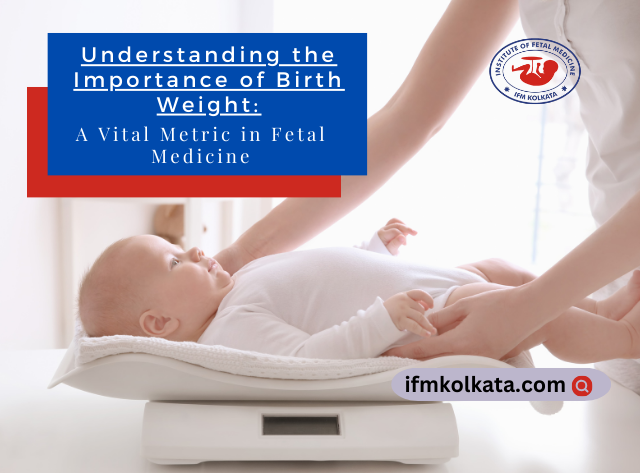
Significance of Birth Weight Assessment

Welcome to the Institute of Fetal Medicine, Kolkata, where our commitment to advancing prenatal care is evident in every service we provide. In this blog, we shine a spotlight on the crucial aspect of birth weight assessment in the realm of fetal medicine, exploring its significance, methodologies, and the impact it has on the health and well-being of both the newborn and the expectant mother.

Understanding the Importance of Birth Weight: 

Birth weight, the first tangible indicator of a newborn’s health, plays a pivotal role in assessing the effectiveness of prenatal care and predicting potential health outcomes. In fetal medicine, the assessment of birth weight goes beyond a mere number; it serves as a key diagnostic tool in understanding the growth and development of the fetus during gestation.

Role of Birth Weight in Predicting Health Outcomes

Adequate birth weight is often associated with positive health outcomes, indicating that the fetus received optimal nutrition and care in the womb. Conversely, low birth weight can be indicative of potential challenges, including preterm birth, inadequate prenatal care, or underlying health issues that require attention.

Methods of Birth Weight Assessment

Ultrasound Technology: High-resolution ultrasound is a cornerstone in fetal medicine, offering a non-invasive and accurate method for assessing fetal growth. This technology enables healthcare providers to monitor the developing fetus, measure various parameters, and estimate the expected birth weight.

Fundal Height Measurement: Fundal height, the distance from the top of the uterus to the pubic bone, provides a quick and straightforward way to estimate fetal growth. While not as precise as ultrasound, it serves as a valuable tool during routine prenatal check-ups.

Clinical Significance: Guiding Care and Intervention

Birth weight assessment in the context of fetal medicine serves as a guide for healthcare providers in tailoring care plans for expectant mothers. It allows for timely interventions in cases of potential growth restrictions, enabling proactive measures to optimize the health of both the fetus and the mother.

Addressing Challenges: Low Birth Weight and Preterm Birth

Fetal medicine plays a pivotal role in identifying factors that may contribute to low birth weight or preterm birth. Early detection allows for targeted interventions, such as nutritional supplementation, lifestyle adjustments, or medical treatments, to mitigate risks and enhance the chances of a healthy birth weight.

The Institute of Fetal Medicine Approach: Comprehensive Care for Every Journey

At the Institute of Fetal Medicine, we recognize the significance of birth weight assessment as a cornerstone in fetal medicine. Our commitment to comprehensive prenatal care includes state-of-the-art ultrasound technology, expert analysis, and personalized care plans that prioritize the health and well-being of both the expectant mother and her unborn child.

Empowering Families with Informed Choices

In the intricate tapestry of fetal medicine, birth weight assessment emerges as a vital thread. It not only provides insights into the journey of fetal development but also empowers healthcare providers and expectant families with the knowledge needed to make informed choices. At the Institute of Fetal Medicine, we stand as your dedicated partner, committed to navigating this journey with precision, compassion, and unrivaled expertise.

Contact us today to embark on a journey of comprehensive fetal care, where every step is guided by the pursuit of health, happiness, and informed decision-making. Your family’s well-being is our priority, and we are here to support you at every stage of this remarkable journey.